RACONTEURPH
Stories worth sharing
Cojuangco on Selling PNPP: "Lalo Tayong Mapag-iiwanan"
POSTED BY: Lionell Go Macahilig2026-11-03 13:48:40 PHT
The Department of Energy (DOE) recently announced that the national government is open to selling the Philippine Nuclear Power Plant (PNPP) to a private company, following the promising findings from a South Korean feasibility study about its potential revival.
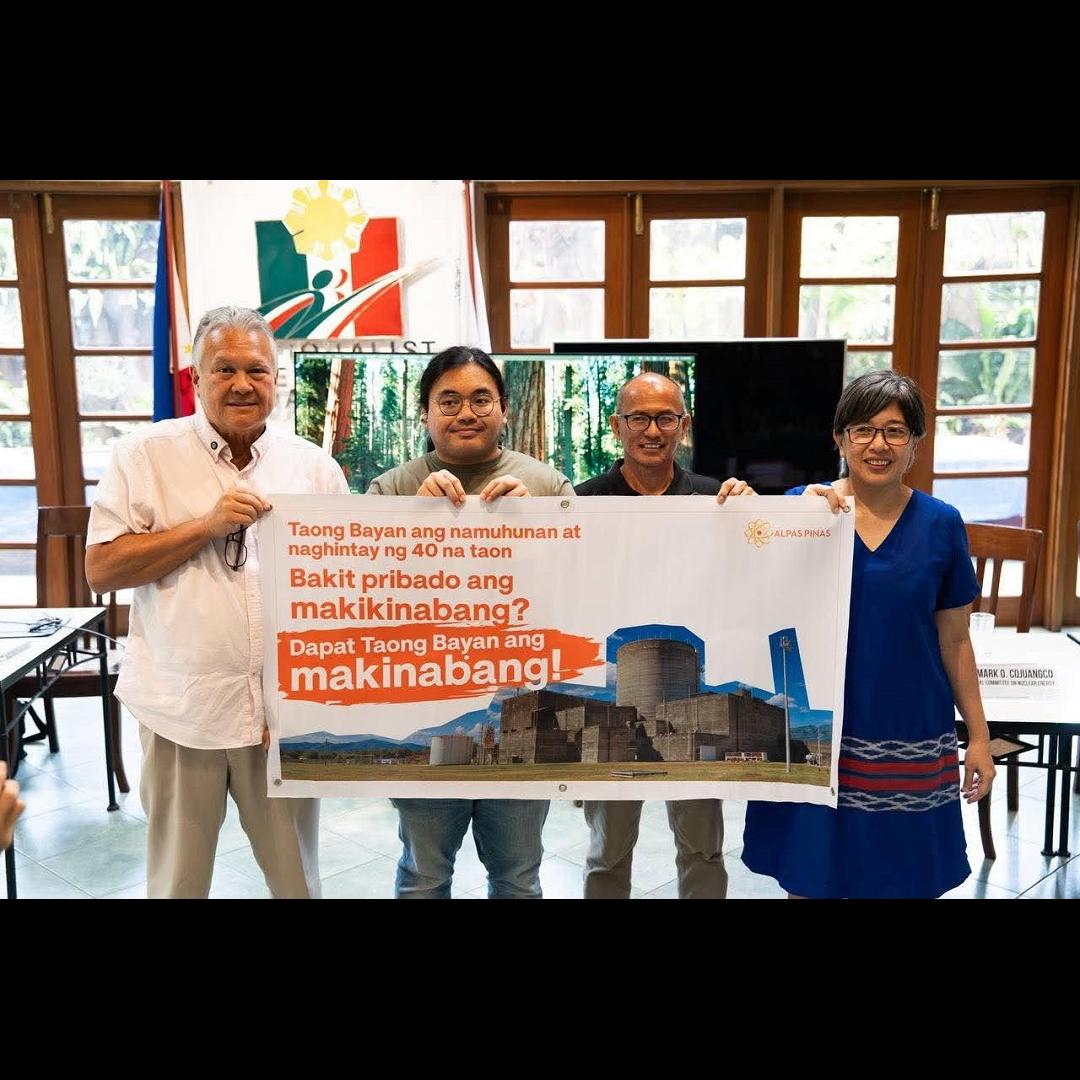
As the government weighs its possible options on the mothballed facility, nuclear advocates expressed their concerns over the idea of privatization. Cong. Mark Cojuangco, a leading nuclear energy advocate and chairman of the Special Committee on Nuclear Energy, argued that selling the PNPP could prolong its recommissioning and lose valuable time in addressing the country's demand for energy.
"We are concerned that this proposed direction could further delay action on the country's growing energy needs. Habang tumatagal, lalo tayong mapag-iiwanan," Cojuangco said. "We call for a concrete plan from the government, so we can work toward the recommissioning of PNPP and secure nuclear power to strengthen the national grid."
He also emphasized why preserving Filipino ownership in the facility matters. "Selling the PNPP is more than knowing who owns it. It's about who gets to shape the future of our energy. If we lose control over this national asset, it might affect our ability to decide on the facility's role and long-term energy plans."
Alpas Pinas, a non-stock, non-profit organization dedicated to promoting nuclear energy as a clean and sustainable source of power, also showed its concern about putting the facility on sale. Gayle Certeza, PhD, lead convenor of Alpas Pinas, highlighted the issues that hinder the country from achieving energy security.
"Our country has been dealing with recurring power shortages and high electricity costs. What we should be prioritizing right now is how we can diversify our energy mix to address our energy needs," said Gayle Certeza, PhD, of Alpas Pinas. "Other countries have increasingly turned to nuclear energy, just like Bangladesh moving forward with its first nuclear power generation through Rooppur Nuclear Power Plant. This signals that the Philippines must take serious action on the PNPP and not get left behind."
As the Philippines looks for more ways to respond to the rising electricity demand, nuclear advocates Cong. Mark Cojuangco and Alpas Pinas believe that the PNPP should be viewed as an opportunity that can contribute to a more secure and diversified energy mix in the country.