RACONTEURPH
Stories worth sharing
15 Million Attempted Attacks Masquerading as VPNs: The Hidden Risk Behind Gen Z’s Privacy Pursuit
POSTED BY: Lionell Go Macahilig2025-12-23 18:32:24 PHT
Gen Z uses privacy tools more actively than any other generation, but this trend may also make them targets for cybercriminals. Between October 2024 and September 2025, Kaspersky detected more than 15 million attempted attacks disguised as VPN applications. Instead of protecting users, these fake or cracked VPNs often deliver malware and potentially unwanted software — from downloaders and adware to trojans capable of stealing data and granting attackers remote access.
According to research findings, Gen Z uses VPNs, encryption tools, anonymous browsers and other privacy-enhancing technologies twice as often as older age groups. Growing up in the era of data leaks, algorithmic tracking and hyper-connected social platforms has made them far more aware of how fragile online privacy can be. VPNs and anonymous browsers have become essential for shielding personal data, protecting online identities and securing public Wi-Fi use.
But this shift comes with an unexpected danger: in their pursuit of safety, many young users may turn to free, cracked or counterfeit VPN applications — tools that look protective on the surface but actually expose them to significantly greater risk. Between October 2024 and September 2025, Kaspersky experts detected more than 15 million attempted attacks disguised as various VPN applications.
In the observed period, the most common threats targeting users were dominated by three categories of malware and potentially unwanted software. AdWare led the list with 284,261 cases, continuing to disrupt users through intrusive ads, unwanted redirects and aggressive tracking. Trojans followed closely with 234,283 detections, posing a serious danger due to their ability to steal data and enable full remote control of compromised systems.
Downloader-type threats ranked third with 197,707 detected cases, reflecting their role as a key entry point for installing additional malicious payloads on victims’ devices.
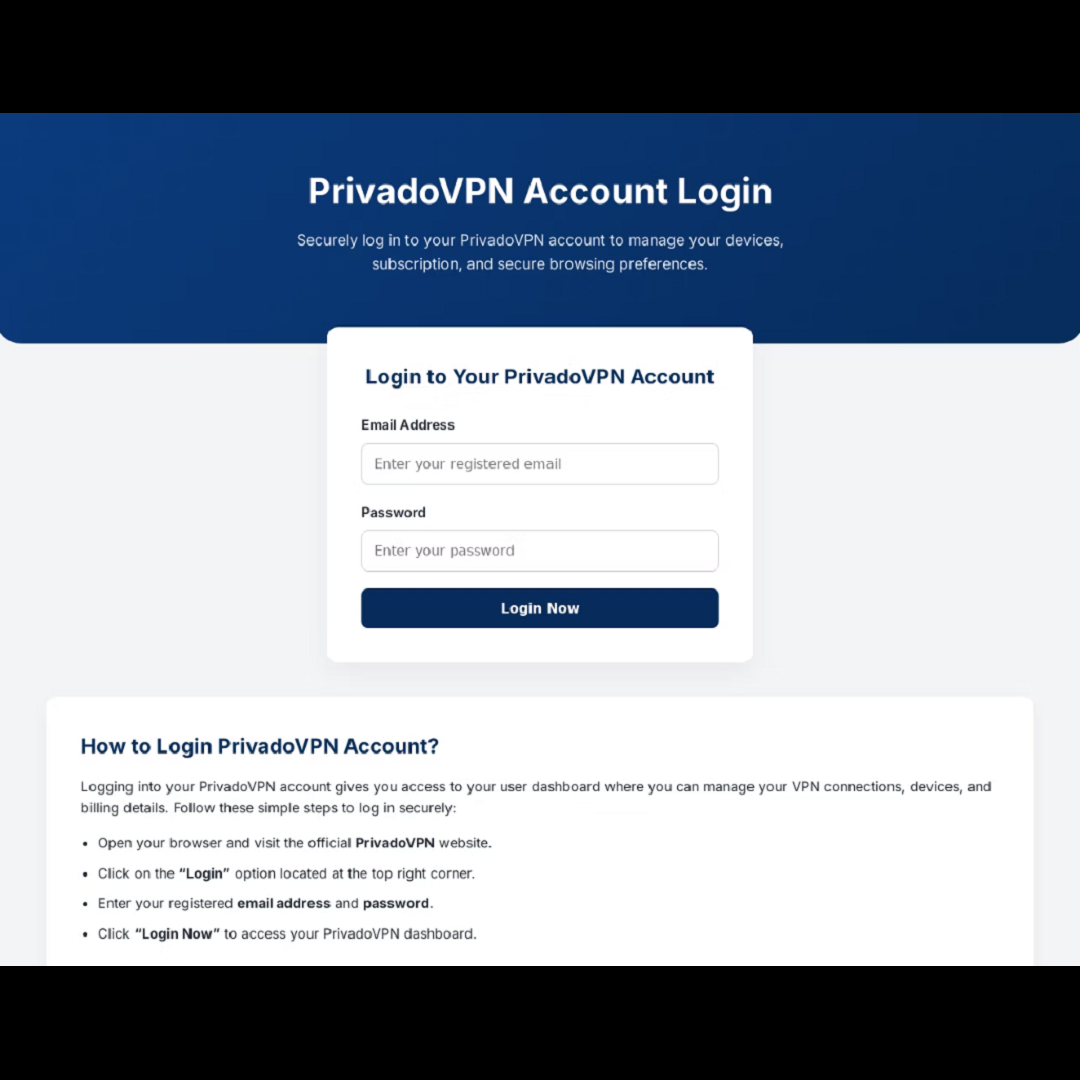
Kaspersky researchers also identified phishing pages that imitate login portals for well-known VPN services. These sites trick users into entering their credentials, putting them at risk of losing access to their VPN accounts — and potentially to many others, if the same password is reused across platforms. What’s particularly notable is how similar these phishing pages look to one another, suggesting they were generated using phishing kits that allow attackers to mass-produce convincing, ready-made fraudulent pages with minimal effort.
“Gen Z may be privacy-aware, but they are also pragmatic and often driven by convenience. This behavior creates an opening that cybercriminals actively exploit. Attackers may deliberately push pirated versions of ‘premium’ VPN services and create apps that mimic the names and designs of well-known privacy brands. As a result, young users who genuinely believe they are strengthening their privacy may, in reality, be handing over access to their devices and personal information directly to attackers,” says Evgeny Kuskov, Security Expert at Kaspersky.
To help Gen Z tackle digital threats in the entertainment space, Kaspersky has launched an interactive game “Case 404” that speaks their language. It immerses players in a world where seemingly harmless downloads and offers conceal serious cybersecurity risks. As they play, users uncover hidden dangers and learn how to protect themselves from malware, scams and personal data leaks.
As a reward for completing the game, participants receive an exclusive discount on Kaspersky Premium — giving them the trusted tools they need to navigate the digital world safely.
Kaspersky also recommends to take the following steps:
- Download VPNs only from official stores or trusted developers. Official marketplaces apply security checks that significantly reduce the risk of encountering malicious or modified apps. Third-party websites, on the other hand, often distribute counterfeit versions that can infect devices or steal data.
- Avoid “cracked” or modified apps. Even if they promise premium features for free, these versions are a major source of malware. Attackers frequently embed spyware, keyloggers or backdoors into cracked VPNs, turning a privacy tool into a surveillance tool.
- When selecting a VPN, check independent reviews. For example, in AV-Test's 2025 evaluation, Kaspersky VPN Secure Connection ranked highest with a perfect score of 94/100 — confirming its exceptional performance and reliable protection.
- Check permissions before installing. Unusual permissions — such as access to contacts, microphone or geolocation — are a warning sign for any privacy-focused app. Low download numbers or suspiciously repetitive reviews can also indicate that the app is not legitimate.
- Use a reliable security solution like Kaspersky Premium that contains a VPN function, protecting your devices against malware in real time by blocking malicious sites, phishing emails, infected ads and credit card skimmers created by hackers to steal your data.
About Threat Research
The Threat Research team is a leading authority in protecting against cyberthreats. By actively engaging in both threat analysis and technology creation, our TR experts ensure that Kaspersky’s cybersecurity solutions are deeply informed and exceptionally potent, providing critical threat intelligence and robust security to our clients and the broader community.
.png)